Hoenderop range available through OMDS and 2BA: one link, global access
The range of marine supplies from maritime wholesaler Hoenderop is now available through the 2BA data platform, based on the One Maritime Data Standard (OMDS). For international shipowners and offshore companies, this means more than just access to up-to-date item data: it is a strategic step towards a procurement chain with fewer customised links, fewer individual file formats and less static between shore and ship.
Those who operate internationally know the problem: each supplier has their own product database, its own file format and its own API logic. That costs time and money and causes mistakes. OMDS breaks open that pattern. Hoenderop delivers its product data just once through 2BA’s central data hub and customers worldwide can work directly with it in their own ERP and purchasing systems. One standard, one coupling, no customization.
For Hoenderop, as a maritime specialist with a complete range for inland shipping, maritime shipping and offshore, the connection also increases the digital reach. The product data becomes available to all systems and maritime companies connected, without the need for developing and maintaining separate links each time.
The strategic added value is further enhanced by the connection between 2BA (OMDS) and the MARAD vessel management system, which is used by shipping companies in more than 80 countries. This means that Hoenderop’s article information is available right down to the heart of the operation: everyone within a shipping company – from the crew on board to the superintendent and the purchasing department – works with the same up-to-date and reliable data.
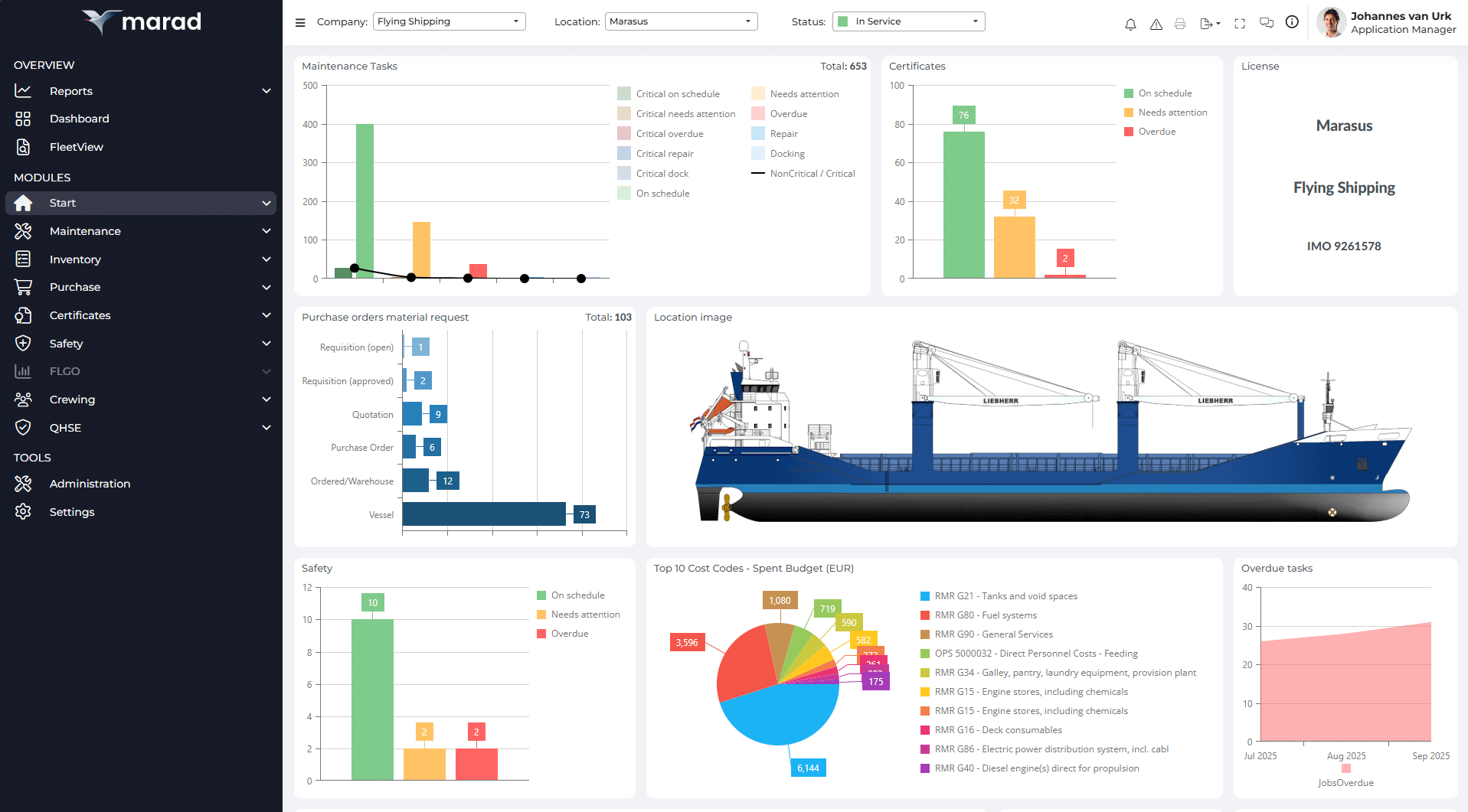
For MARAD, the biggest gain lies not only in the realization of the connection, but in the ensuing management and quality assurance. Thanks to the standardization, MARAD need only develop and maintain one link with 2BA, and changes only have to be tested once.
In the connection with Hoenderop, Pieter van Urk, founder of MARAD, sees exactly what the standard is intended for. “We used to get requests from each vendor with their own product database, file format and API logic. That was untenable. Since our link with 2BA, we can say: join 2BA and you will be automatically available in MARAD. With no extra development time, and no customization. One standard, which we only have to integrate once.”
Since Hoenderop supplies through 2BA, the range can be accessed directly within MARAD and used in the purchasing process. “Hoenderop is connected to 2BA, so their data is quite simply in MARAD,” says Pieter van Urk. “Vendors delivering through 2BA are instantly visible to thousands of MARAD users worldwide.”
The strength is in the scalability. Shipping companies can use product data from affiliated suppliers from the same environment in the purchasing process. New suppliers do not need a separate technical connection to MARAD: they deliver their product data to the same standard through 2BA, after which MARAD can access it by way of the existing link.
For Hoenderop, the value of the connection extends beyond MARAD. Other software platforms and shipping companies that connect their ERP systems to 2BA can also use the same standardized product data. Hoenderop maintains the information at one central location; various systems and organizations can then access it.
Paul Kriesels, Commercial Director at Hoenderop , also sees that more and more often, standardized product data is playing a role when it come to selecting a supplier. “We see companies that make it a condition, when admitting new suppliers, that their range is available through the 2BA hub. As a result, product data is increasingly becoming a prerequisite for doing business efficiently with each other.”
A standard alone is not enough. The quality of the underlying product data ultimately determines what users can do with it. Hoenderop has therefore also taken steps internally. The company works with a clear set of product data that it needs from suppliers to accumulate and digitally unlock the information.
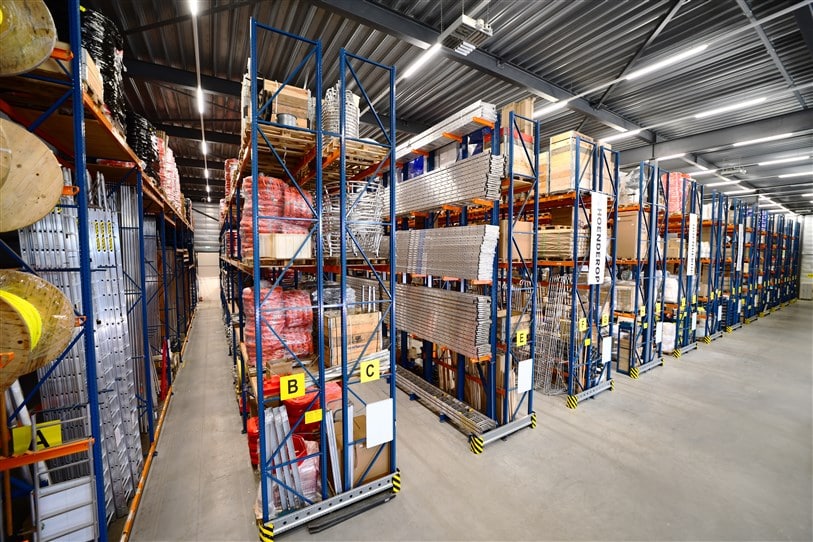
It is precisely at product level that this makes the difference. A generic item description can make it clear what kind of product is needed, but for digital procurement it must also be clear which specific item is involved. Unique product identification allows buyers to recognize and compare the same item from different suppliers For Paul Kriesels there is an important practical advantage. “Less static between ship, shore and purchasing organization. If everyone works with the same product information, it will no longer be necessary to go through various departments to find out exactly which article is being referred to.” For international shipping companies in particular, where ship, office and supplier may be in different time zones, this makes the procurement process more efficient: less miscommunication, less chance of errors and less delay.
The Hoenderop connection shows how One Maritime Data Standard works in practice: one delivery, available worldwide. If you’d like to know more about what the standard can do for your fleet or organization, meet Hoenderop during SMM in Hamburg, 1–4 September 2026 – the international meeting place for the maritime industry.